The Story

Rebel Fitness League began with a single fitness competition in 2003, in a room above a mechanic's garage in Sydney's inner west. Twenty-three years later, it became Rebel Fitness League, led by the man who ran that first competition: Christian "Mack" Marchegiani, Founder and Commissioner.
The Lineage
- 2000
- Christian works with the YMCA in New York, then returns to Sydney to find the Australian fitness industry flat.
- 2003
- After three years in the industry, he leaves a leisure centre in Sydney's inner west and starts THUMP Boxing in a rented room above a mechanic's garage: boxing for fitness, strength circuits and bootcamps, and regular competitions to keep members motivated.
- The early years
- The idea of an online strength league takes shape. The web is barely a decade old and the technology isn't there. The idea waits.
- The growth years
- THUMP Boxing grows into a global accreditation system that trains fitness professionals to teach boxing for fitness, helping bring the format into the mainstream.
- A decade later
- HIRT Systems, High Intensity Resistance Training. Built on Arthur Jones's principle that intensity of effort, not volume, drives adaptation: one set taken to momentary failure, full range of motion, controlled speed. A method that challenged the multiple-set orthodoxy.
- Two decades
- Strength and conditioning work with elite rugby league, AFL, cricket, netball and Olympic athletes, and four published books.
- 2026
- Rebel Fitness League opens to its first athletes.
Why the League exists
In those early years, the main doors into strength competition were boxing, Olympic weightlifting and powerlifting. Great sports, but built around federations, weigh-ins, travel and a level most people never reach. For the regular gym enthusiast, the person who trains hard and lifts properly and has never had anywhere to prove it, there was almost nothing.
Over the next decade that changed. Obstacle races, ninja courses, gladiator shows, then CrossFit and later Hyrox gave millions of people somewhere to compete. The League has nothing but respect for them, and its founder still trains CrossFit.
But he was a strong lifter who couldn't run long. He tried short triathlons and struggled with the long ones. There was still no place for someone who was simply strong.
The Comeback
Then he stopped training. Work got heavy, the sessions got shorter, then they stopped. He put on weight, and he slipped a disc, the injury he had spent two decades helping other people avoid.
He did what he'd have told anyone else to do: found a room with other people in it and turned up. It was a CrossFit gym, and it worked. He cleaned up how he ate, lost 25 kilos and got his back right. He is squatting 150kg, deadlifting 150kg and benching 140kg.
But the reality is that he isn't built to compete in CrossFit events or Hyrox. He wanted something to compete in anyway, something that measured the strength he had rebuilt. There wasn't one.
Meanwhile fitness media filled with people in perfect gym kit giving advice that could have put him back on the floor. Nobody could tell a coach from a costume, because there was nothing to check anything against.
A physique is not proof. A number is.
The League today
More than twenty years after the first sketch, the technology has caught up. Rebel Fitness League opened to its first athletes in 2026. Athletes enter The Seven inside a Round (free in Round Zero): seven tests, one Rebel Number out of a thousand, scored against bodyweight, sex and age. Done in your own gym or garage, four Rounds a year. The free Opener gives you an unranked first score.
The Commissioner's own number is on the record like everyone else's.
Every athlete competes by the same promise: honest reps, honest numbers, respect for the people beside you. Read The Rebel Code.
From the founder
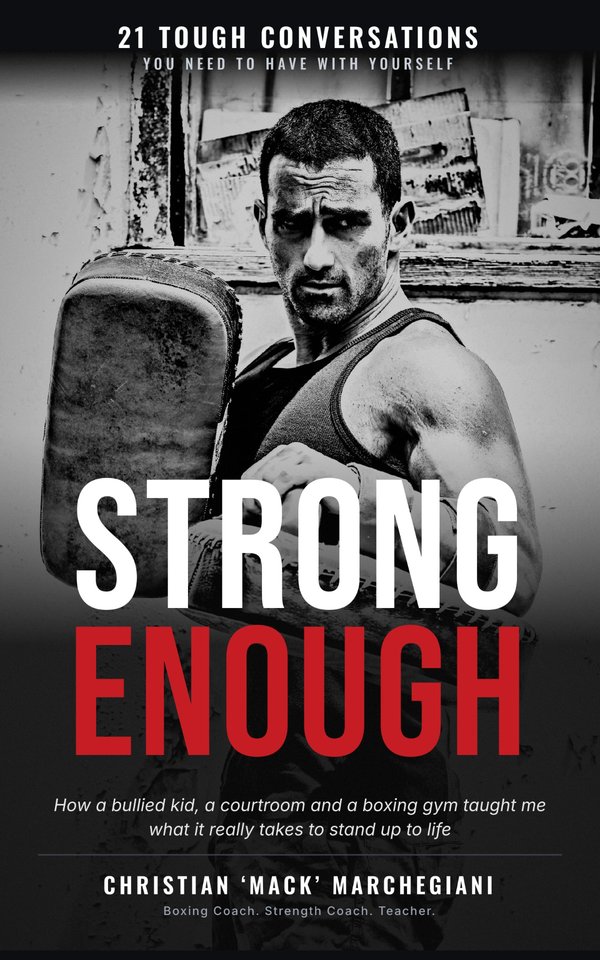
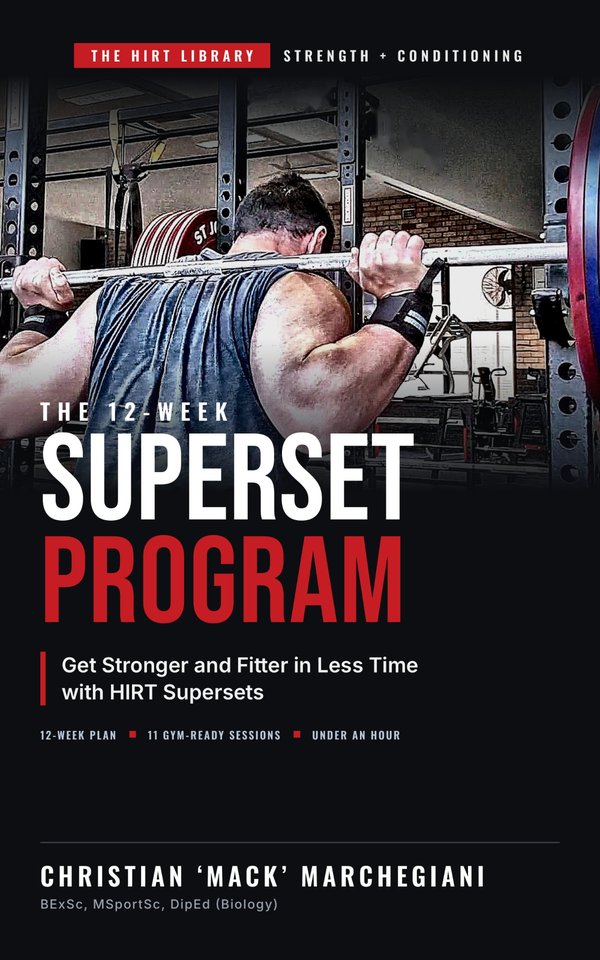
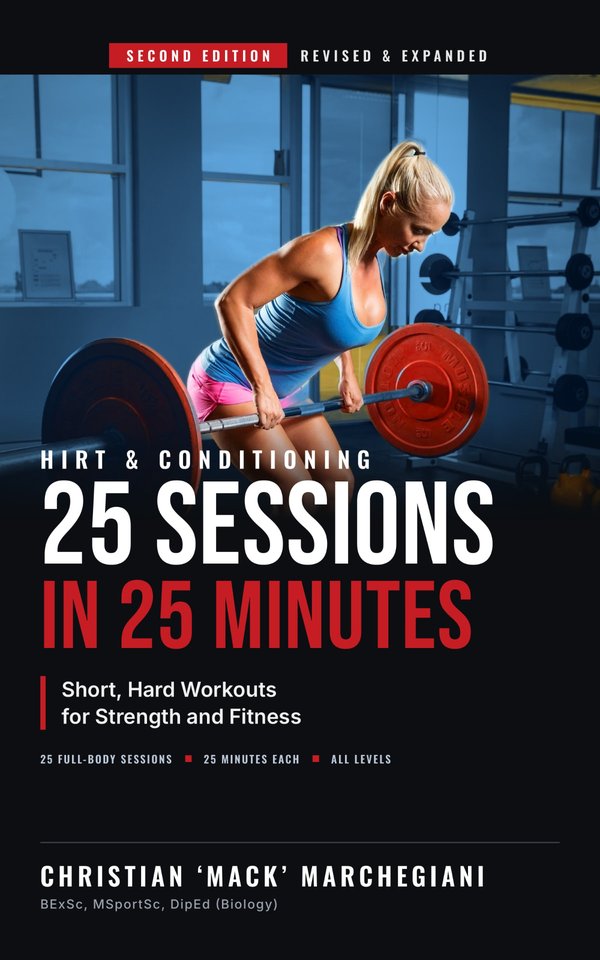
Mack has written books on strength, training and mindset.
What's your number?
Take the Opener — free